
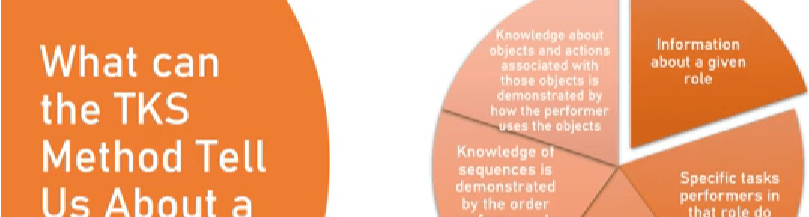
In addition to the projects I present on the IDE 712 page, below are a video and paper I produced which present an activity-based method of task analysis as put forth by Jonassen, Tessmer, and Hannum. Representing the A in ADDIE, analysis, this method seems particularly suited to the types of tasks I have been involved with in ERP training projects. In a typical work environment, what learners know—what’s inside their heads—can only be measured by what they do: their performance. Cognitive methods, therefore, only get at part of the crux of the matter when it comes to learning objectives in a work context. Activity-based methods are more suited to the world of work, where tangible output is how employees are evaluated.
Both these efforts are my work alone. In producing the video, I found it useful to stretch the applicability of the method to analysis outside the ERP environment. I’m often thinking of analogies and transferability of concepts when looking at the theories and practices in this program overall. It was useful for me to try to apply the TKS method to an activity that is not computers, not technical, and actually not even verbal, as you will see in the video.
As for the paper, I found an example of TKS being used in practice where the author did a similar thing: try to apply technical concepts to a very non-technical, non-verbal learning activity. Both these scenarios illustrate the flexibility of the TKS method, another reason why I like it so much.
Task Knowledge Structures
An Overview of the Task Knowledge Structures Model of Task Analysis
 Beth's Journey Through the Instructional Design Universe